
Conditions We Assess and Treat
At The Doctors Laser Clinic, we see a wide range of skin, facial, and intimate health concerns every week. Some conditions are cosmetic in nature, while others require careful medical assessment before any treatment decision is made.
Our doctors focus on understanding the underlying cause of each concern, whether it relates to ageing, pigmentation, scarring, vascular changes, hormonal factors, or skin growths. During consultation, we assess suitability for treatment, discuss available options, and advise when monitoring or referral is more appropriate.
Below is a selection of common conditions we help patients with. Each condition page explains what it is, why it occurs, and which treatments may be considered following assessment.
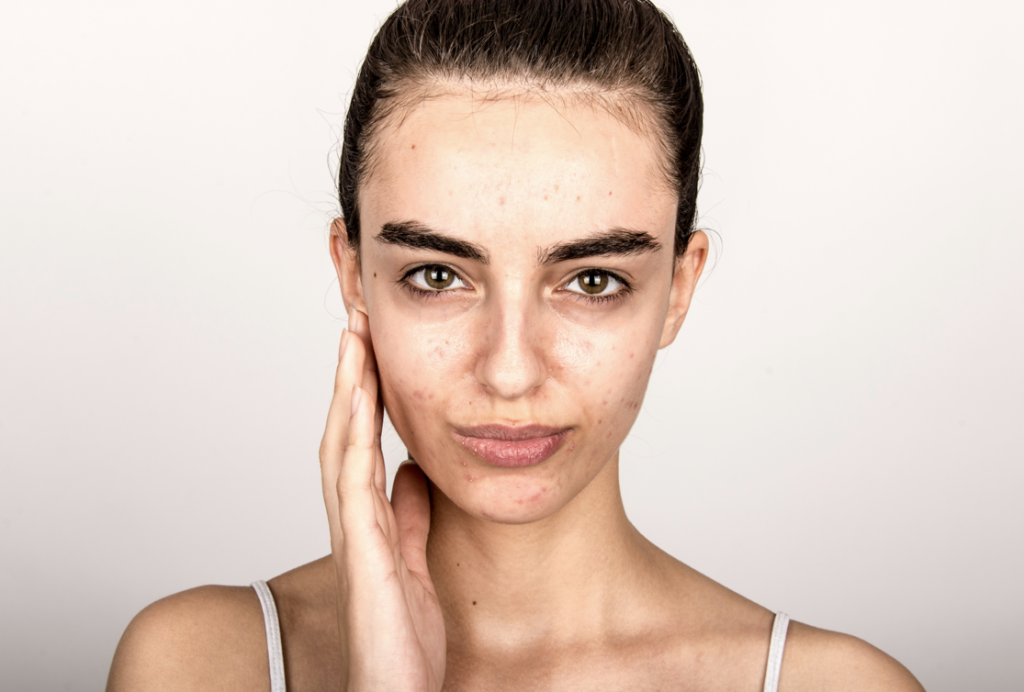
Acne scars
Acne scars develop when inflammation from acne damages deeper layers of the skin. Scar type and severity vary, which is why assessment focuses on skin structure and healing response rather than appearance alone.

Blemishes
A blemish is any mark, spot, or discolouration on the skin. Most are benign, but some require medical assessment to rule out underlying health conditions.

Broken Vessels
Broken blood vessels are small, dilated vessels that appear just beneath the surface of the skin, most commonly on the face. They often develop with age, sun exposure, or genetic predisposition.
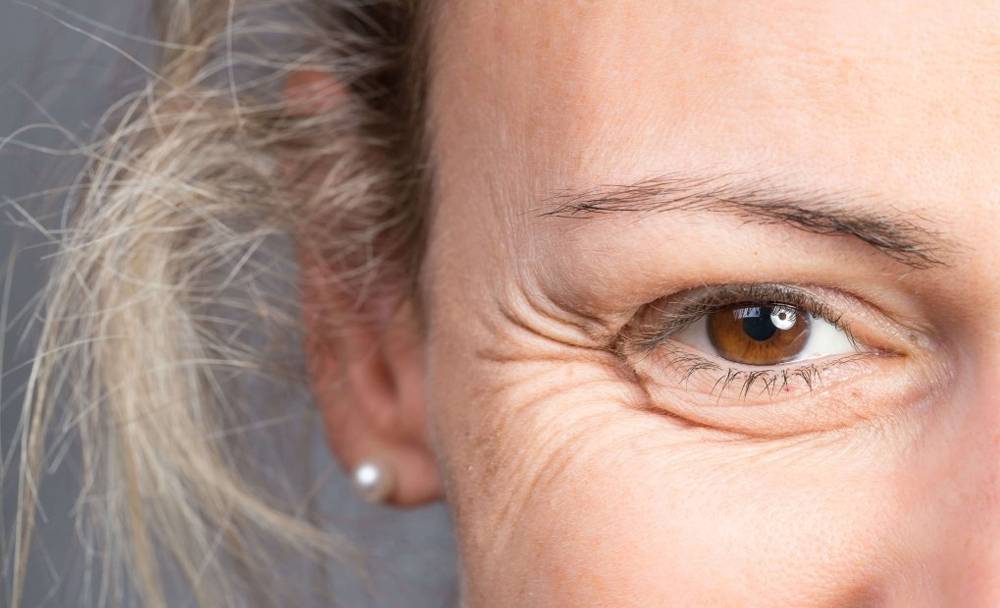
Crow's Feet
Crow’s feet are wrinkles at the outer corner of the eyes. They resemble the feet of a crow—hence the name. Unlike wrinkles or expression lines on other areas of the face, crow’s feet can appear to look deeper or more pronounced on the skin . Some of the leading causes of crow’s feet include UV exposure and the loss of collagen and elasticity that come with age.

Dark Circles
Dark circles under the eyes are a common concern and can result from pigmentation, volume loss, visible blood vessels, or thinning skin. Assessment focuses on identifying the underlying cause before considering treatment options.
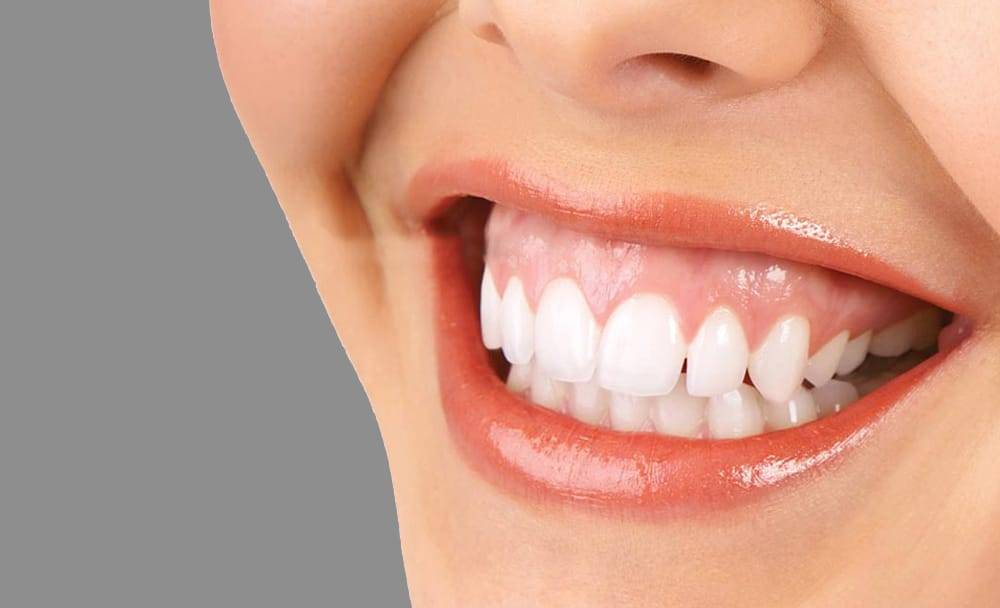
Gummy Smile
A gummy smile occurs when excessive gum tissue is visible when smiling. It can be influenced by lip movement, tooth position, or muscle activity, and assessment helps determine the most appropriate management approach.

Keratosis
Keratosis pilaris is a common, harmless skin condition that causes dry, rough patches and small bumps, most often on the upper arms, thighs, cheeks, or buttocks.

Rosacea treatment
Rosacea is a common skin condition that causes redness in your face. Some symptoms include flushing and redness in the centre of your face, visible broken blood vessels, swollen skin, sensitive skin, stinging and burning skin, dry, rough, and scaly skin.

Smoker's Lines
Smoker’s lines, or lip lines, are tiny wrinkles that form on the skin between the upper lip and the nose. Smoker’s Lines can be treated with filler to add volume that has been lost.
Thread Veins
Thread veins are fine, dilated blood vessels that appear close to the surface of the skin. They commonly affect the face and legs and develop when underlying veins enlarge over time.
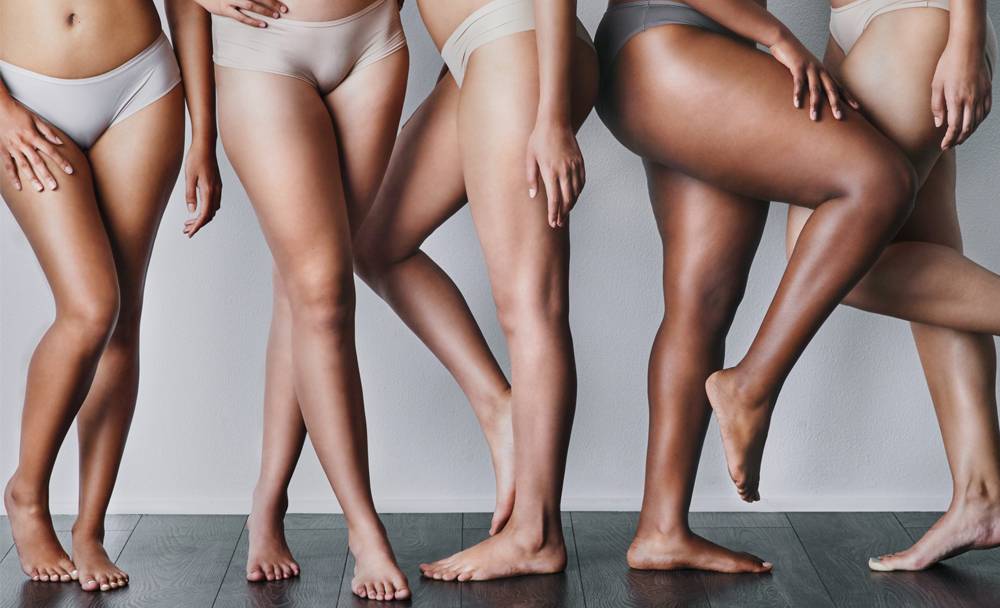
Unwanted Hair
Unwanted hair refers to excess or unwanted hair growth in areas such as the face or body. It can be influenced by genetics, hormonal changes, or underlying medical conditions, which is why assessment helps determine the most appropriate management approach.

Vaginal Dryness
Vaginal dryness is a common condition that can cause discomfort, irritation, or pain during daily activities or intimacy. It is often associated with hormonal changes, including menopause, but may also occur for other medical reasons.

Vaginal Laxity
Vaginal laxity refers to a sensation of looseness that some women experience, often following childbirth or with hormonal changes. Assessment focuses on understanding symptoms, contributing factors, and whether treatment may be appropriate.
Volume Loss
Volume loss occurs as facial fat and underlying support structures reduce over time. This can affect facial contours and contribute to changes such as hollowing or sagging, which are assessed individually before treatment is considered.

Acne
Acne is a common skin condition that occurs when hair follicles become blocked with oil and dead skin cells. It can vary in severity and may be influenced by hormonal changes, genetics, and inflammation, which is why assessment focuses on identifying contributing factors before treatment is considered.
Skin Tags
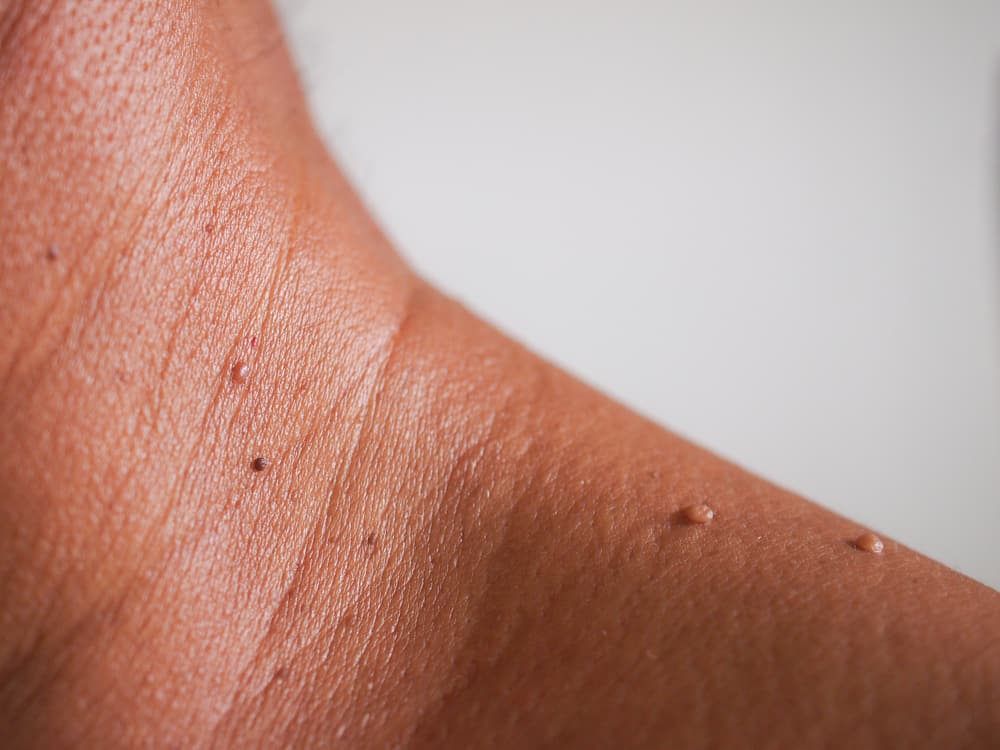
Skin tags are small, benign growths that commonly occur in areas where skin rubs together, such as the neck, underarms, or groin. While harmless, assessment helps confirm diagnosis and suitability for removal.

Stretch Marks
Stretch marks are linear marks that develop when the skin stretches rapidly, often during pregnancy, growth spurts, or weight changes. They represent changes in the skin’s deeper layers and vary in appearance depending on age and skin type.

Enlarged Pores
Enlarged pores are a common skin concern influenced by genetics, oil production, and changes in skin elasticity. Assessment focuses on skin type and contributing factors rather than pore size alone.

Jowls
Jowls develop as the lower face loses structural support with age, often due to changes in skin elasticity, volume distribution, and muscle tone. Assessment focuses on understanding the underlying cause rather than treating appearance alone.

Thinning Skin
Thinning skin occurs as collagen and elastin levels reduce over time, often influenced by age, sun exposure, and hormonal changes. Assessment helps determine skin health and whether treatment may be appropriate.

Sun Damage
Sun damage develops over time due to repeated ultraviolet exposure. It can affect skin tone, texture, and elasticity, and is often first noticed on areas such as the face, chest, and hands.

Pigment Stains
Pigment stains are areas of darker skin caused by excess melanin production. Common types include sun spots and melasma, often developing on sun-exposed areas such as the face, hands, and arms.
book An appointment
All treatments start with an initial consultation with one of our team. During your consultation we learn about your areas of concern and treatment goals.